
A Guide to Authentic Mallorca
As a Mallorcan born and raised, it saddens me how many British visitors never leave their resort. Mallorca is so much more than Magaluf and all-inclusive hotels. My island has a UNESCO World Heritage mountain range, a thriving wine industry, medieval villages untouched by tourism, and some of the best restaurants in the Mediterranean. Taking the ferry from Barcelona is already a sign you are a different kind of traveller – let me show you the Mallorca that rewards that curiosity.
The Serra de Tramuntana
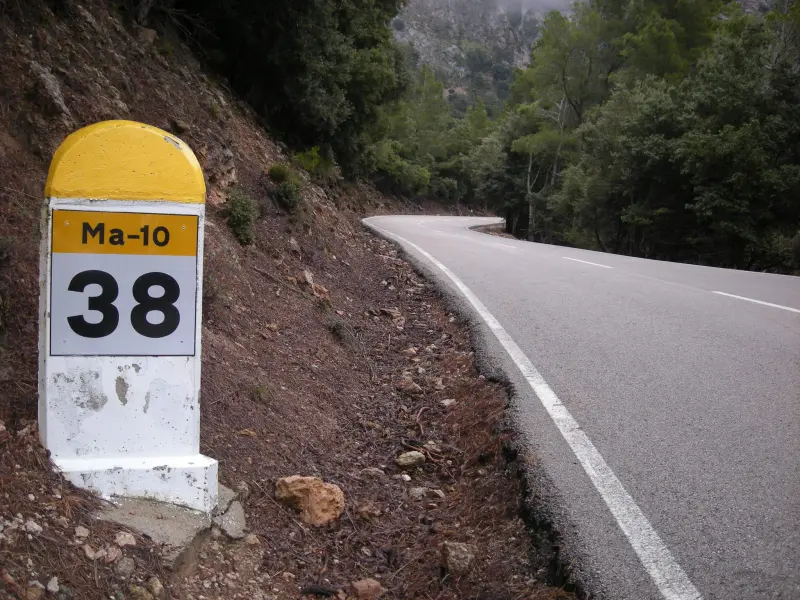
This UNESCO World Heritage mountain range runs along Mallorca's north-west coast for 90 kilometres. It is home to the island's most dramatic scenery: terraced olive groves, sheer cliff faces, hidden coves, and stone-built villages perched on mountain ridges. Whether you hike, cycle, or drive, the Tramuntana is unmissable.
Must-Visit Villages
- Valldemossa: Where Chopin spent a winter. Beautiful monastery and cobbled streets
- Deíà: Bohemian artists' village with stunning coastal views
- Fornalutx: Often called the prettiest village in Spain
- Sóller: Orange groves, vintage tram, and a beautiful harbour
Top Hiking Routes
- Torrent de Pareis: Dramatic gorge walk (moderate, 3h)
- Puig de Massanella: Mallorca's accessible peak (challenging, 5h)
- Cami de s'Arxiduc: Coastal path with stunning views (moderate, 4h)
- GR221: The long-distance path across the Tramuntana
Palma: A City Worth Exploring
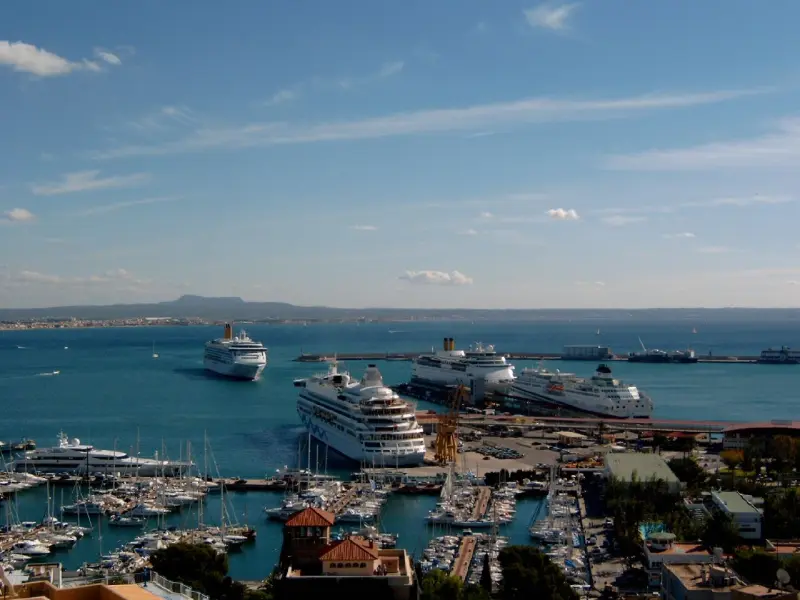
Palma is one of the Mediterranean's most underrated cities. Arriving by ferry gives you the perfect introduction – the cathedral rising above the harbour is an unforgettable sight. Beyond the waterfront, Palma's old town is a maze of narrow streets, Gothic churches, Renaissance courtyards, and independent shops.
Palma Highlights
- La Seu Cathedral: Gothic masterpiece on the harbour
- Old Town: Medieval streets, patios, and galleries
- Mercat de l'Olivar: Central market, open mornings
- Santa Catalina: Trendy neighbourhood with restaurants and bars
- Es Baluard: Modern art museum with harbour views
- Arab Baths: Remnants of Moorish Mallorca
Where to Eat in Palma
- Can Joan de s'Aigo: Historic café for ensaimadas and hot chocolate
- Mercat Gastronòmic: Food hall in San Juan
- Santa Catalina market: Tapas stalls and local produce
- Es Rebost: Traditional Mallorcan cuisine
- Tip: Avoid the tourist traps on the Paseo Marítimo
Mallorca's Wine Country
Mallorca has a thriving wine industry that most visitors never discover. The island has two DO (Denominación de Origen) wine regions – Binissalem and Pla i Llevant – producing excellent reds from local grape varieties like Manto Negro and Callet, as well as increasingly impressive whites.
- Binissalem: The heart of Mallorcan wine country. Visit bodegas like Macabeu, José L. Ferrer, or Biniagual
- Wine train: The vintage Soller train passes through wine country
- Wine festivals: The Binissalem grape harvest festival in September is spectacular
- Tastings: Many bodegas welcome visitors – book ahead
Local Markets
Weekly markets are central to Mallorcan life and offer a wonderful window into local culture:
- Sineu (Wednesday): The island's oldest market, with livestock, produce, and crafts
- Inca (Thursday): Famous for leather goods and local produce
- Alcúdia (Tuesday & Sunday): Charming market in the medieval old town
- Pollensa (Sunday): Art, crafts, and food in the town square
- Santanyí (Saturday): Popular with both locals and visitors
- Artà (Tuesday): Authentic small-town market experience
Hidden Beaches & Coves
Forget the crowded resort beaches. Mallorca's coastline hides dozens of pristine calas (coves) that feel a world away from the tourist strips:
- Cala Deia: Rocky cove below the village, popular with artists
- Cala Varques: Crystal-clear water, free from development
- Cala Figuera (Formentor): Turquoise water surrounded by pine forests
- Es Trenc: The closest Mallorca gets to a Caribbean beach
- Cala Torta: Wild and unspoilt on the east coast
Book Your Ferry to Mallorca
Overnight ferry Barcelona – Palma: from approx. €55 per person. Wake up in Mallorca.